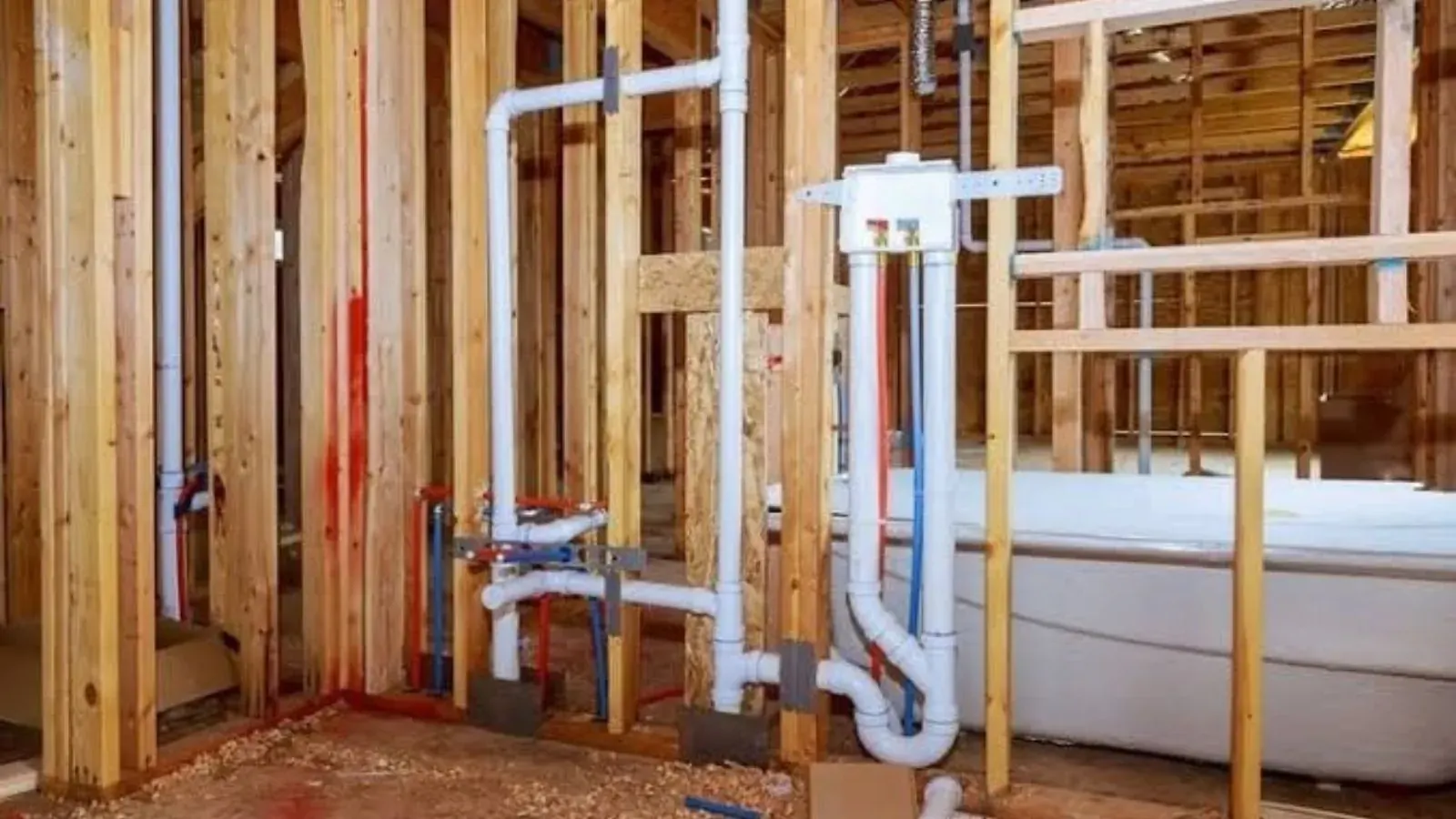
What a vent does
When water drains from a fixture, it pulls on the air in the pipe. Without a vent, that pull creates a vacuum that slows the flow, and it can suck the water out of the trap, which is the curved section that blocks sewer gas. A vent pipe lets air in behind the water so the trap keeps its seal.
Vents run up through the walls and out the roof. Some fixtures share a vent, and some have their own. The layout depends on how the drains are arranged, and the way the system is connected is as important as the size of any single pipe.
Signs of a vent problem
Many vent faults look like clogs. This table separates them.
| Sign | What it suggests | Next step |
|---|---|---|
| Gurgling from a drain when another fixture runs | Air is being pulled through a trap | Check the vent for a blockage |
| Several fixtures drain slowly at once | Main drain or vent restriction | Camera the drain and inspect the vent |
| Sewer smell in a bathroom | Dry trap, failed vent or leak | Check the trap, then the vent |
| Toilet bubbles when the sink drains | Air movement in the system | Test the vent stack |
| Water in a trap disappears | Siphoning from poor venting | Inspect the vent connection |
Vent work is regulated for good reason. Call and we will inspect before we recommend changes.
Call (860) 397-8103What decides the size of a vent pipe
Vent size depends on the size of the drain it serves, the number and type of fixtures connected, the length of the vent run and how the system is laid out. A single bathroom sink needs a smaller vent than a whole stack serving several bathrooms. Longer runs and more fixtures generally call for larger pipe.
The numbers come from the sizing tables in the plumbing code. The 2022 Connecticut State Building Code adopts the 2021 International Plumbing Code, and the Enfield building office can tell you which tables and local amendments apply to your project. We do not quote a size from memory, because the right answer depends on the layout of your system.
Common vent problems and how they arise
Most vent faults fall into a short list.
- <strong>Blocked roof termination.</strong> Leaves, a bird nest or ice at the top of the pipe can choke the vent.
- <strong>Frost closure.</strong> In cold weather, frost can narrow the opening of a small vent pipe at the roof.
- <strong>Disconnected or crushed pipe.</strong> A remodel or a settled wall can break a vent inside the wall.
- <strong>Improper connection.</strong> A fixture added without a proper vent can drain poorly and smell.
- <strong>Wrong size.</strong> A vent that was undersized in an earlier remodel causes repeated problems.
Frost, roofs and cold-weather venting
In a cold climate, moist air leaving the house freezes on the inside of a small vent pipe, and frost can narrow the opening until it closes. A vent that is fine in October can be blocked in January. The result is gurgling drains and smells on the coldest days.
The common fix is a larger pipe at the roof termination, set as the code allows. A plumber looks at how the vent passes through the roof and whether it is clear, and the building office can confirm any rule about the transition to a larger size. See drain cleaning if the real problem turns out to be a clog.
When to call a plumber
Checking a vent from the ground is easy. Climbing on a roof in winter is not. A plumber can run a camera or water through the vent, trace a disconnected section and tell whether the vent is the cause or the drain is. We tell the two apart before we recommend work, because clearing a clean vent does nothing for a clogged drain.
If you are adding a fixture, a basement bathroom or a laundry hookup, the vent is part of the design from the start. Our plumbing installation page explains how a project is scoped and how permits fit in.
A note on smells and safety
A sewer smell is more than a nuisance. Sewer gas contains methane and hydrogen sulfide, and a persistent odor deserves attention. Check that floor drains and seldom-used sinks still hold water in their traps, and pour a little water down them if not. If the smell stays, a plumber should check the vent and the drain.
Air admittance valves and other alternatives
Some situations make a traditional vent hard, such as an island sink in a kitchen remodel. Air admittance valves are one-way valves that let air into the drain without a pipe to the roof. Whether they are allowed depends on the code and the local office, and they have limits on where they can be used.
Ask the Enfield building office whether they are permitted for your project before you buy one. A plumber who knows the local practice can tell you whether a conventional vent, a loop vent or an alternative is the better answer for your layout.
Remodels and the vents that get forgotten
Vents are often the part of a remodel that gets overlooked. Moving a sink, adding a bathroom or opening up a wall can cut or disturb a vent that nobody knew was there. The first sign is often a slow drain or gurgle weeks after the work, when the paint is dry and the contractor is gone.
Ask your plumber to show you the vent plan before the walls close. Take photos of the open wall, and keep them with your records. If you have a problem later, those pictures show where the vents run, and they can save a day of searching.
The code behind vent sizing
Vent sizing is set by the 2021 International Plumbing Code (IPC), which the 2022 Connecticut State Building Code adopts, which uses fixture units and pipe length to determine the required diameter. Treat any number you read online as a starting point and confirm it against the adopted code. The Connecticut Department of Consumer Protection licenses plumbers, so you can ask any plumber about their license before work starts.
Vent rules and permits in Enfield
Vent sizing and layout are code matters. The 2022 Connecticut State Building Code adopts the 2021 International Plumbing Code, and the Enfield building office can tell you the edition, the local amendments and whether your work needs a permit. Ask before work starts, not after.
You can check any plumber's license through the state's elicense lookup at elicense.ct.gov. We serve older homes in Thompsonville and Enfield Village, where a remodel may have altered the vents, and homes in Somers and Ellington.
Plumbing vent questions
It depends on the drain size, the fixtures and the length of the run, and the code tables set the numbers. Ask the Enfield building office and a licensed plumber for your layout.
Yes. A blocked vent limits the air that lets water flow, and the drains slow or gurgle.
Moist air freezes at the top of a small pipe, and frost can close the opening. A larger termination at the roof is a common fix.
Not properly. A fixture without correct venting drains poorly and can lose its trap seal.
No, though the symptoms overlap. We check both before we recommend work.